
LUCAS – International Festival for Young Film Lovers
#49 from September 24 to October 1, 2026
Lights, camera, and action at LUCAS #49: from September 24 to October 1, 2026, Germany’s oldest film festival for young audiences will present award-winning cinematic art for everyone from ages three to 18plus. Families and film enthusiasts of all ages can look forward to exceptional cinematic experiences in Frankfurt, Wiesbaden, Offenbach and Bad Homburg.
At the heart of LUCAS are the competitions in the »Kids«, »Teens«, and »Youngsters« sections. In addition, the festival shows short films for the very youngest and several other programs, some of which are curated by children and young people. During the festival week, there is a special focus on film discussions, in which filmmakers from all over the world enter into dialogue with the audience.
At LUCAS, participation means to »Get Involved!«: As moderators, jury members or film critics, as festival reporters or curators, young people are invited to help shape the festival in a variety of ways.
For representatives of the film industry, panel discussions are held that deal with topics of film education and current trends in children’s and youth film production.
LUCAS – International Festival for Young Film Lovers is organized by the DFF – Deutsches Filminstitut & Filmmuseum e.V..


Competitions and Awards
Competitions
In the »Kids«, »Teens«, and »Youngsters« competitions, LUCAS presents outstanding international selections of feature films, documentaries, animated films, and experimental films. In 2026, 19 feature films and 21 short films will compete for the coveted LUCAS awards.
Feature films must have a running time of more than 59 minutes and must not have been released in German cinemas. A selection committee attends festivals and industry gatherings to choose competition entries for the »Kids«, »Teens«, and »Youngsters« sections from among the strongest productions worldwide. Premiere status is not a factor, only quality matters!
In recent years, LUCAS has earned a special reputation with its short film competition. A selection committee puts together several competition programs for the »Kids« and »Teens« sections from the best international submissions with a running time of up to 30 minutes. Many of these are German premieres.
Awards
Competition »Kids«
- Award for the Best Feature Film (5,000 €) donated by the Sparkassen-Kulturstiftung Hessen-Thüringen
- Award for the Best Short Film (2,000 €) donated by the Sparkassen-Kulturstiftung Hessen-Thüringen
Competition »Teens«
- Award for the Best Feature Film (5,000 €)
- Award for the Best Short Film (2,000 €)
- Award for an Outstanding Cinematic Achievement (2,000 €) donated by the DFF’s Patrons Circle
Competition »Youngsters«
- LUCAS »Youngsters« Award (5,000 €)
All competition sections
- ECFA-Award
- Bridging the Borders Award
- Audience Award
Film Entry
Short Films for Competitions »Kids« and »Teens«
LUCAS accepts submissions of short films with a maximum length of 30 minutes. The submitted film should preferably celebrate its German premiere at LUCAS.
Submissions are made via FilmFreeway. Please read the participation guidelines for short films provided there, as well as the submission forms, carefully.
Feature Films for Competitions »Kids«, »Teens« and »Youngsters«
In its international feature film competitions »Kids«, »Teens« and »Youngsters« LUCAS showcases outstanding, professional filmmaking scouted and curated by a selection committee.
Feature films with a minimum length of 60 minutes may be submitted only upon request. Unsolicited submissions are accepted only in exceptional cases.
The films must not have had a German theatrical release, but may already have been screened at individual festivals in Germany.
Selection Committee
In order to improve LUCAS’s networking and enhance lively discussion about the program, the festival has appointed a selection committee for feature films and another for short films, which will view the films and select entries for the »Kids«, »Teens«, and »Youngsters« competitions. In addition to Julia Fleißig, the festival director of LUCAS, the committees are made up of five other renowned film experts.

Kirsten Taylor
Editor, film educator, and author
Kirsten Taylor is an editor at the film education portal kinofenster.de and a freelance film educator, working for projects such as “Filmklassiker sehen – Filme verstehen,” which was initiated by the German Film Academy. Additionally, she is working for SchulKinoWochen. She also writes film reviews and prepares film reports. One focus of her work is children’s and youth films.

Stefan Stiletto
Film educator and film journalist
Stefan Stiletto is a freelance film educator, film journalist, and editor. He designs and creates accompanying materials for film education and is a writer for Filmdienst, Kinderfilmwelt, Kinder- und Jugend-Filmportal, Kinofenster.de, and other publications. He also leads training courses for educators and workshops for children and young adults on various film education topics.
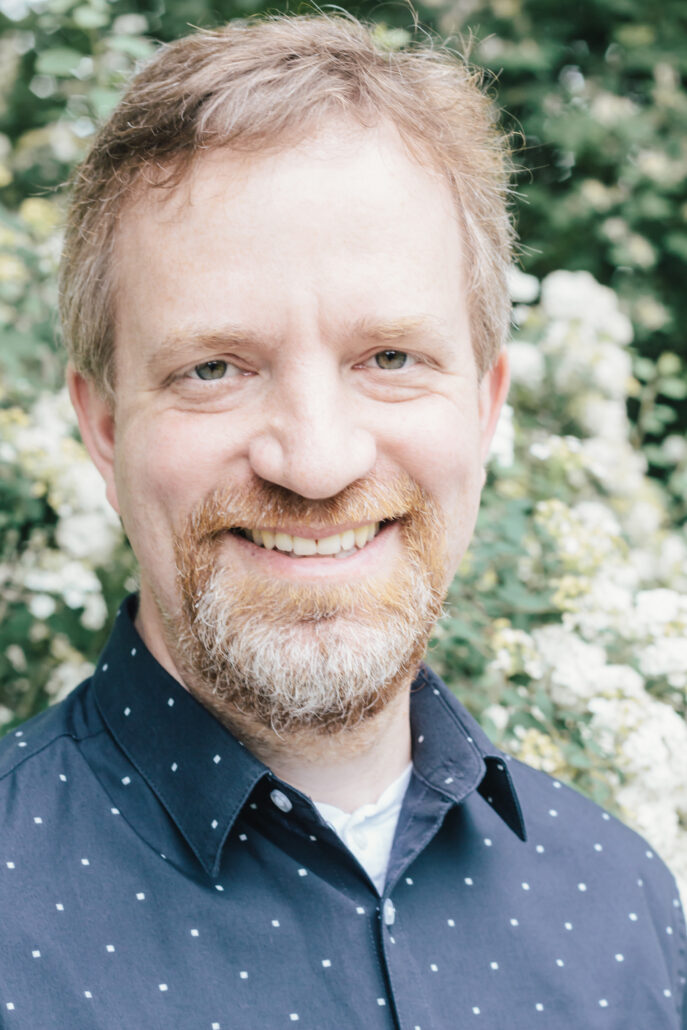
Rochus Wolff
Film critic, author, and lecturer
Rochus Wolff is a freelance film critic and author who publishes in Kino-Zeit, Filmdienst, Kinderfilmwelt, and on the children’s and youth film portal, among others. Wolff has published two books on children’s films: “33 Beste Kinderfilme” (“33 Best Children’s Films”) and “100 Kinderfilme für alle Tage” (“100 Children’s Films for Every Day”). He also gives workshops on children’s films and film criticism.
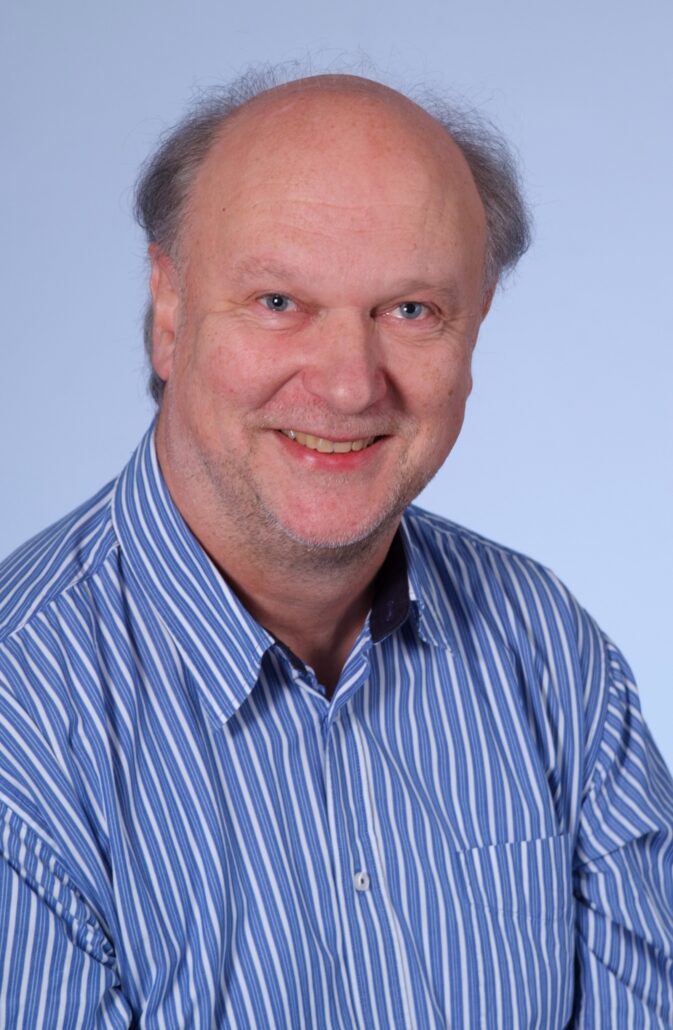
Holger Twele
Journalist and film educator
Holger Twele is a freelance film journalist and film educator and has been working for many years with organizations such as the Federal Association for Youth and Film, the German Children’s and Youth Film Center, and the Federal Agency for Civic Education.
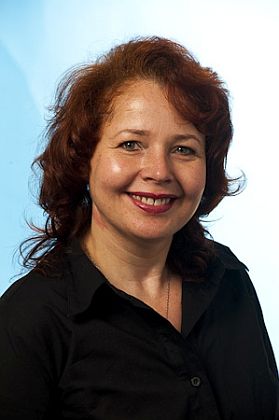
Dr. Ursula Vossen
Producer and author / HessenInvestFilm
Dr. Ursula Vossen is an experienced television and film producer and film funder. She is the author of numerous books and articles on film studies.
Jurys
The juries for the »Kids« and »Teens« competitions consist of equal numbers of young film fans and industry professionals. They decide on the winners of five LUCAS awards in the »Kids« and »Teens« competitions. A jury of young European film enthusiasts will honor the LUCAS »Youngsters« Award to a film in the »Youngsters« section.
A jury from the ECFA presents the ECFA Award to its favorite European children’s film. Since 2018, Cinema Without Borders has awarded a prize to a competition film, with the audience award decided by festival visitors.
Jury Competition »Kids«
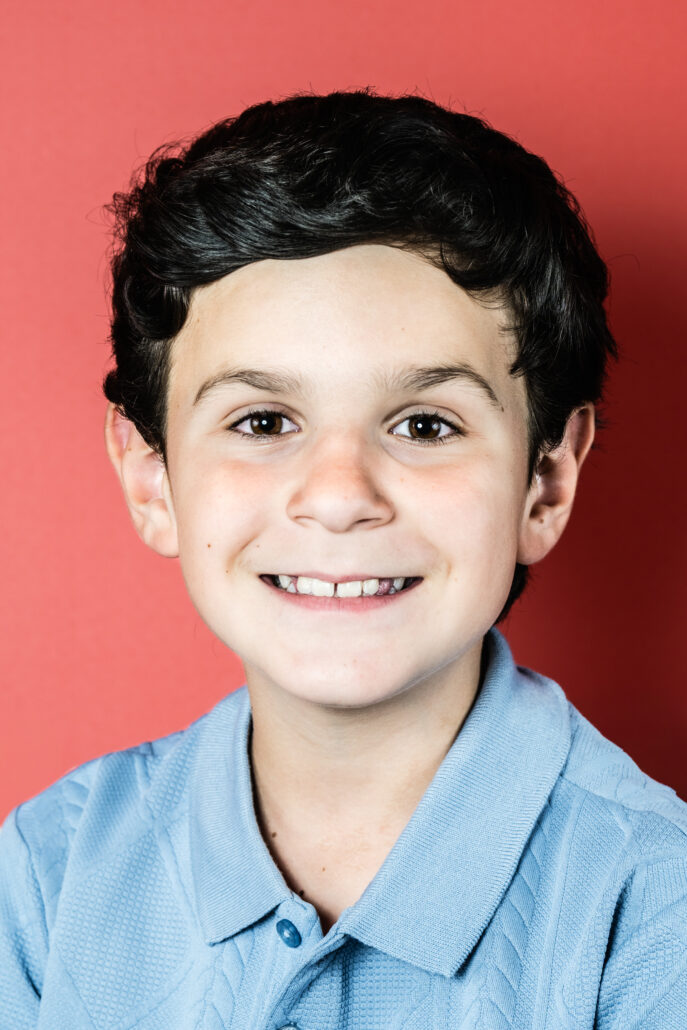
Burak Yilmaz (10)
Otto-Hahn-Schule, Hanau
Learn more
Burak loves going to the movies with his family, and he does that twice a month. The last movie that really blew him away was MICHAEL, Antoine Fuqua’s biopic about the King of Pop. He believes a good movie should allow you to empathize with the main character and have plenty of unpredictable twists and turns. To that end, he’s willing to accept that there isn’t always a happy ending. He’s looking forward to gaining his first jury experience at LUCAS.

Laura Vasiljkic-Filler (12)
Heinrich-von-Gagern-Gymnasium, Frankfurt
Learn more
Laura dances, plays padel, is an avid reader, and loves to surprise her family and friends with homemade treats. As a huge fan of THE HUNGER GAMES, she was particularly thrilled by the film adaptation of THE BALLAD OF SONGBIRDS AND SNAKES, which completely lived up to her expectations after reading the book. She keeps discussing movies long after the credits roll. A self-proclaimed optimist, she’d love to see more movies about friendships that remain exciting even without arguments and rivalries.

Mica Clara Rühle (11)
Musterschule, Frankfurt
Learn more
Mica loves movies and TV shows with dark humor – the weirder, the better! As a Japan and anime enthusiast, she also tries her hand at drawing, even if she doesn’t always think it turns out well. In addition to a gripping story, Mica pays special attention to good picture and sound quality when watching a movie. At home, she shoots and edits her own videos of her dog. Would she like to stand in front of the camera as an actress someday? That would be her dream!
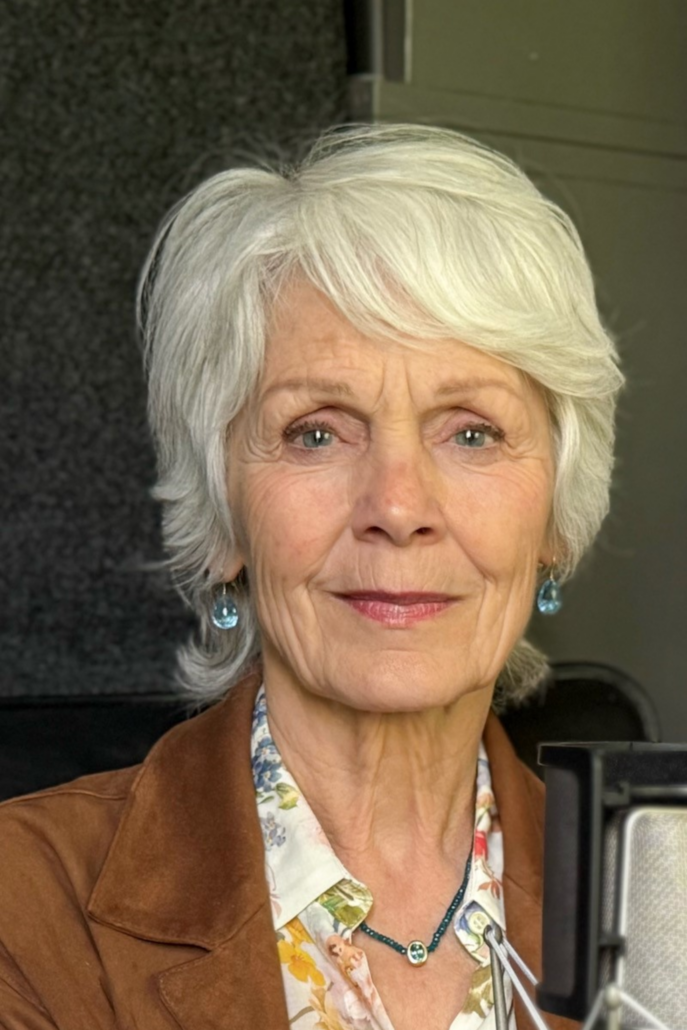
Sigrid Klausmann (Germany)
Filmmaker
Learn more
Before founding the production company Schneegans Productions with her husband, Walter Sittler, Sigrid Klausmann worked as a sports and dance instructor. She has been working as a documentary filmmaker since 2003, focusing primarily on topics related to adolescents. She attributes this interest to her own childhood in a large family. With her latest film, GIRLS DON’T CRY, which won the Bridging the Borders Award at LUCAS in 2025, Sigrid concludes her career as a director.
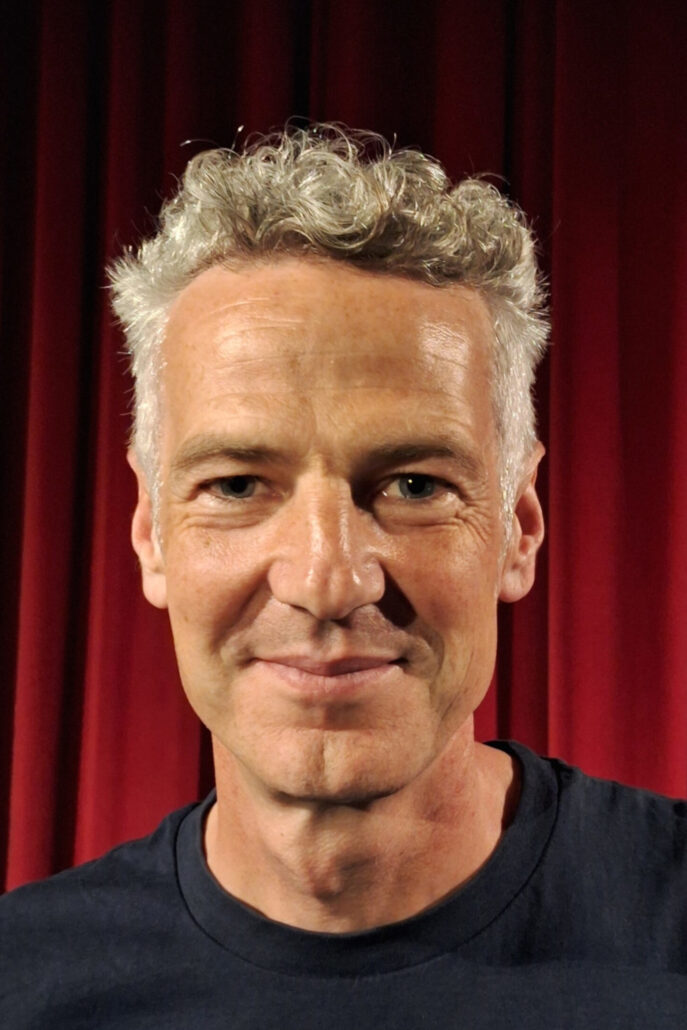
Matthias Wallraven (Germany)
Film Educator and Programmer
Learn more
After studying ethnology, political science, and communication studies in Berlin, Matthias Wallraven first moved to Marseille, where he taught German and produced short film projects with children and teenagers. After returning, he worked on several documentary and short film projects before devoting himself entirely to his work at CITY 46 / Kommunalkino Bremen e.V. There, among other things, he directs the SchulKinoWoche Bremen and the Bremen Children’s and Youth Film Festival KIJUKO.

Elisabeth Wenk (Germany)
Festival Director and Cultural Scientist
Learn more
Elisabeth Wenk is the executive director of the Deutsche Kindermedienstiftung Goldener Spatz, where she has worked since 2019, and the director of the festival of the same name. She studied in Jena and Leipzig. As a passionate film lover, she advocates for high-quality audiovisual media for young audiences. Her focus is on providing children and young people with diverse and relevant access to media.
Jury Competition »Teens«

Anna Diefenbach (16)
Taunusschule, Bad Camberg
Learn more
Anna dances ballet, contemporary, and modern dance. She’s also very active in other ways, such as when she takes photos or hangs out with her friends. At the movies, she can fully immerse herself in a film—especially one that tackles socially critical issues and creates space for complex female characters, like AMÉLIE. A good movie can make her laugh, ponder, and cry all at once.
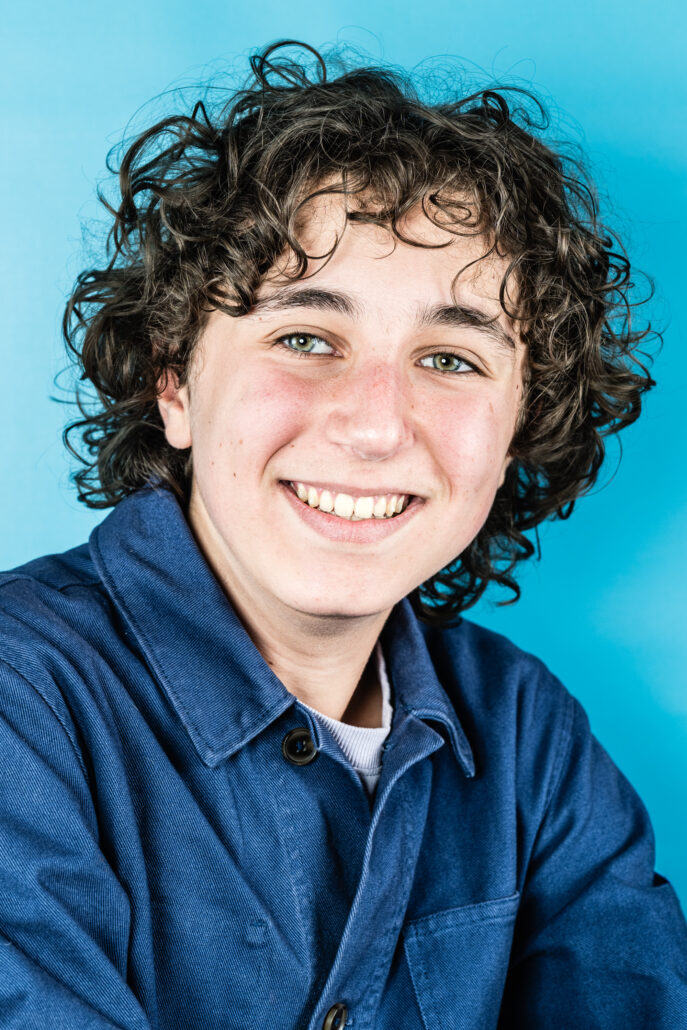
Eneas Arnegger (14)
Gutenbergschule, Wiesbaden
Learn more
Eneas has many hobbies: karate, tennis, piano, yoga, reading, dancing, and singing. His movie preferences are just as varied. Whether it’s animal documentaries, fantasy, or comedies, he’s open to everything. Since his parents work in the film industry, watching good movies is part of his family routine. His all-time favorite, though, remains John Landis’s THE BLUES BROTHERS, which he can watch over and over again. Someday, he’d like to direct or act himself.

Kiana Jafari (15)
Wöhlerschule, Frankfurt
Learn more
Kiana plays the violin and piano and enjoys painting. For her, watching a movie means diving into another world and then resurfacing with a new perspective. The animated film SOUL, for example, reminds her of what really matters in life, and she was thrilled by the feminist message in BARBIE. Her favorite movies, however, are still rom-coms from the 2000s. She dreams of one day appearing in front of the camera herself.
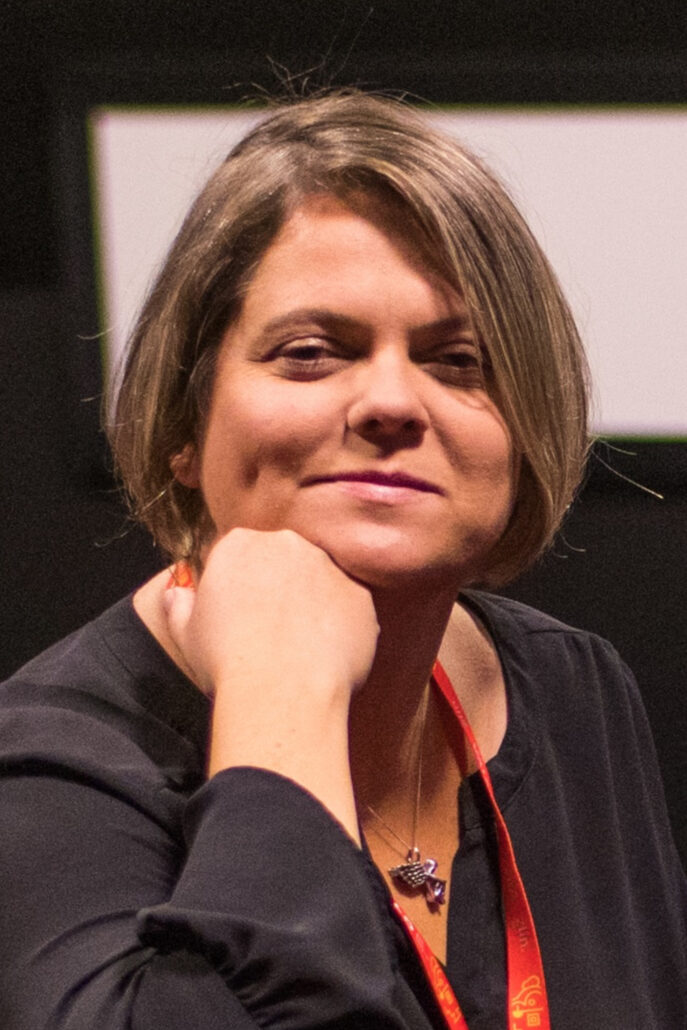
Jaroslava Hynštová (Czech Republic)
Programme Curator and Festival Organizer
Learn more
Jaroslava Hynštová has been working as a film programmer at the Zlín Film Festival since 2005. She studied film studies and English at Palacký University in Olomouc. In her hometown of Luhačovice, she is a screenwriter and the director of an amateur theater group. Jaroslava has also served as a regional correspondent for the largest Czech newspaper and as a jury member at film festivals around the world.
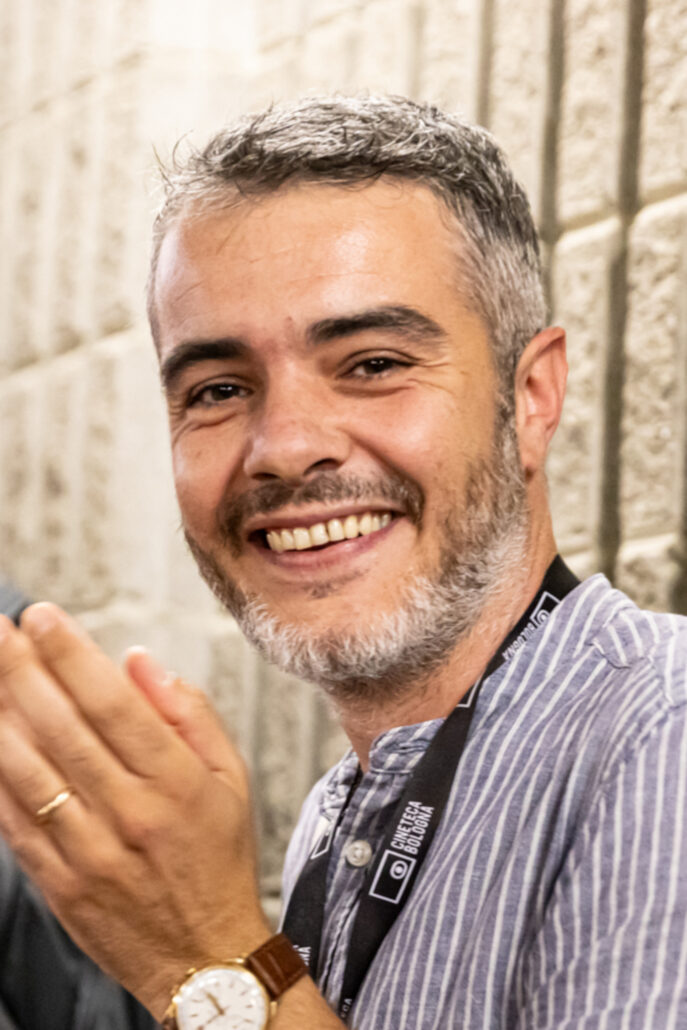
Simone Fratini (Italy)
Film Educator
Learn more
After studying education and film studies in Bologna, Simone Fratini initially served as a member of the artistic team at the Biografilm Festival. Since 2011, he has worked in the field of film education at the Cineteca di Bologna, where he develops new projects, conducts professional development workshops for teachers, and oversees European projects. Since 2021, he has been a film instructor for schools recognized by the Italian Ministry of Culture.
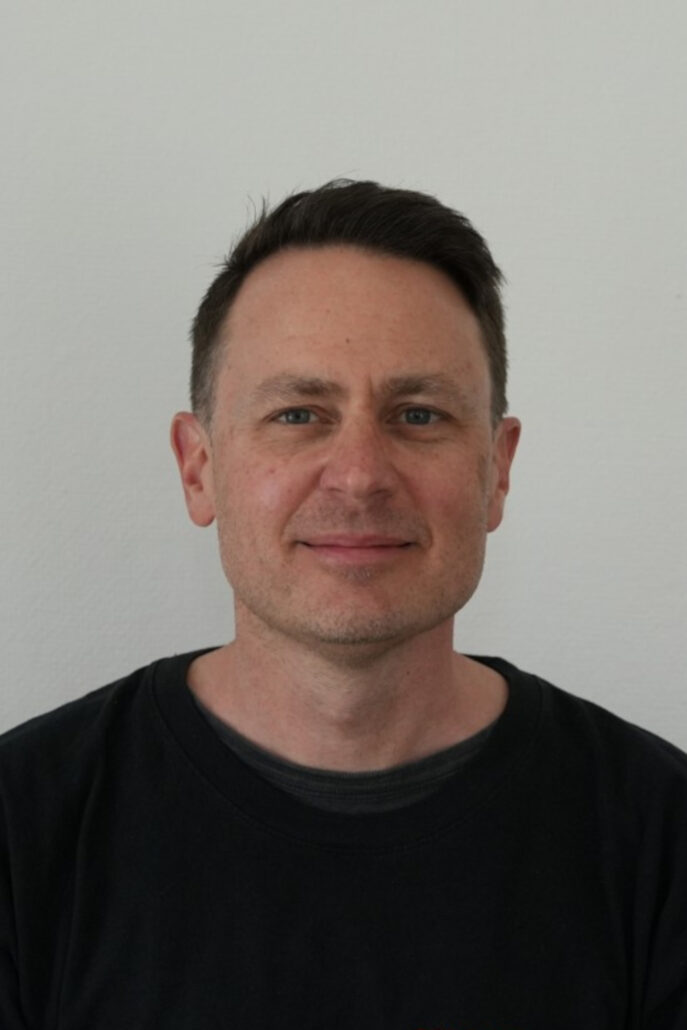
Daniel Lundquist (Sweden)
Programme Curator and Festival Organizer
Learn more
Daniel Lundquist has already brought a wide variety of projects to life, including in the fields of music, theater, and art. For several years, he worked for the Swedish Film Institute and the City of Malmö’s Cultural Affairs Office before joining the BUFF Film Festival in 2009, where he is now the program director. Daniel also curates the program for the Nordisk Panorama Film Festival and serves as an acquisitions manager for the film distribution company TUFF.
Jury Competition »Youngsters«

Amelia Hjertholm (19, Norway)
Learn more
Amelia is a student in Kristiansand. She reads a lot, enjoys hiking—and, of course, going to the movies. For her, movies are about community: they provide topics for conversation, are a shared experience, and offer the chance to see the world from a different perspective. Amelia particularly appreciates films that explore complex themes with sensitivity. She was deeply influenced by the annual LORD OF THE RINGS marathon she watched with her father.

Iulia Radu (18, Romania)
Learn more
For Iulia, a film is a conversation between the people in front of and behind the camera. She, too, is a LORD OF THE RINGS fan; her favorite quote is from THE TWO TOWERS: “And when the sun shines, it will shine all the more clearly.” Iulia is also a member of a film club and makes her own short films. One of them has already been screened as part of the European film education project CCAJ in Paris. Next, she plans to attend a film school.
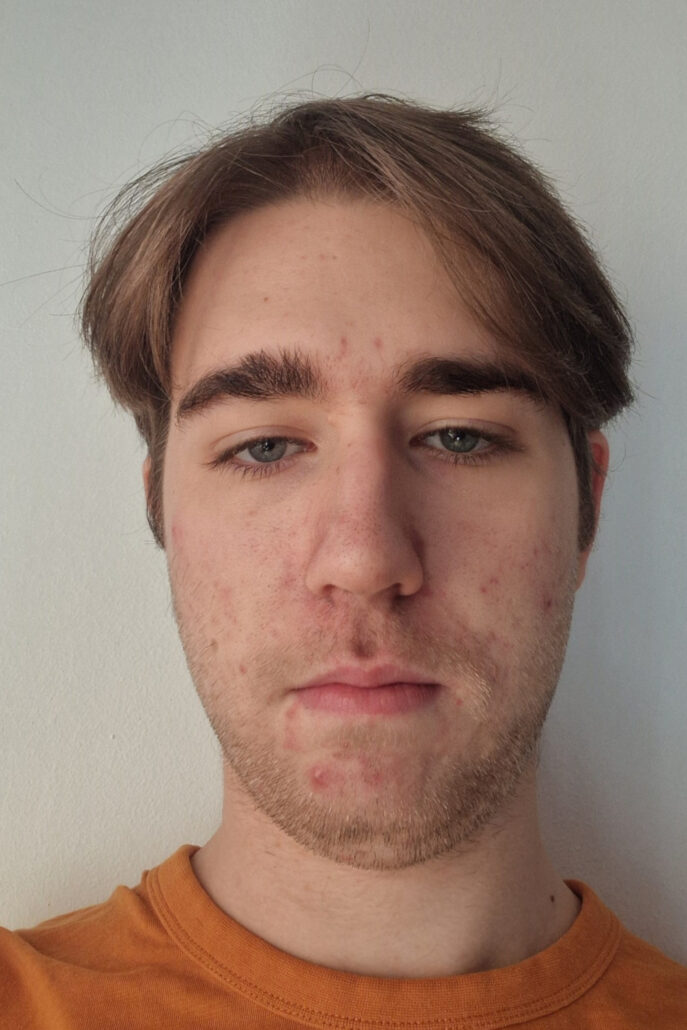
Matei Tartan (19, Romania)
Learn more
Through movies, Matei can discover new things and immerse himself in other worlds. One of his favorite movies is therefore Stanley Kubrick’s 2001: A SPACE ODYSSEY. He enjoys science fiction movies and psychological thrillers, especially those with a distinctive aesthetic. He also reads and writes short stories and poetry himself. He would love to meet Pier Paolo Pasolini.
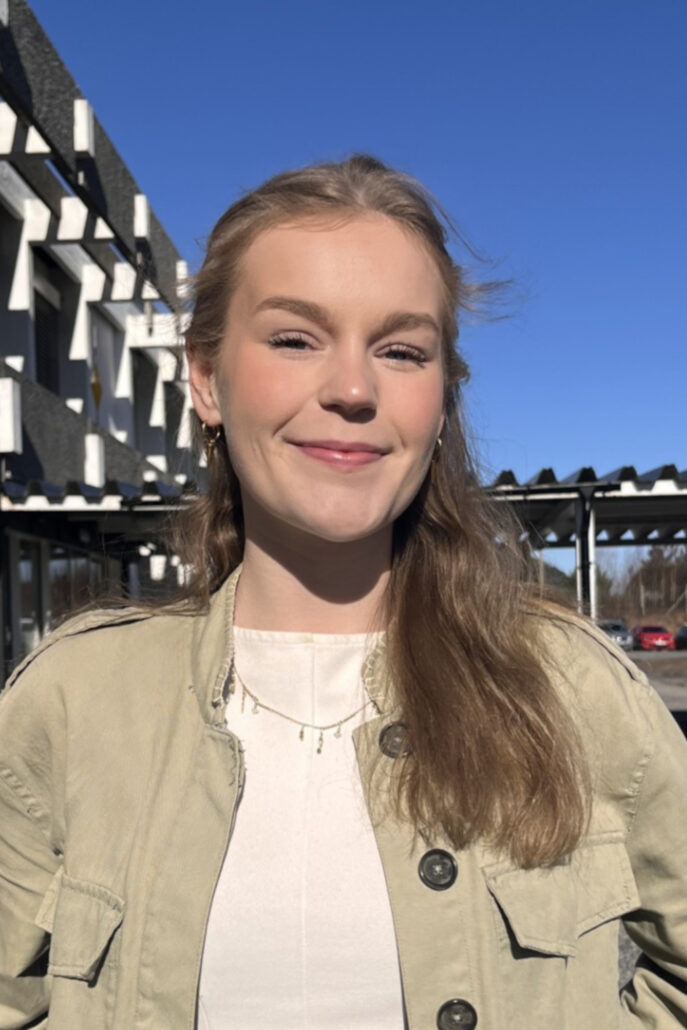
Pernille Magnus (18, Norway)
Learn more
Pernille loves movies that make you forget everything around you and stir up empathy. That’s why the HARRY POTTER series and Steven Spielberg’s THE FABELMANS are among her favorites. After seeing a movie, she can talk about what she’s seen for a long time. Pernille often comes up with her own ideas, which she turns into short films. She’s curious about how filmmakers manage to really draw their audience in.

Sonja Seitz (18, Germany)
Learn more
Sonja’s current favorite movie is Alfred Hitchcock’s VERTIGO. She has loved movies since she was a child because they combine different art forms and can introduce you to different places, people, and stories. She especially appreciates movies that challenge her yet are still fun to watch. One filmmaker she admires in particular is David Lynch; she is especially fascinated by his depictions of the strange and the bizarre.
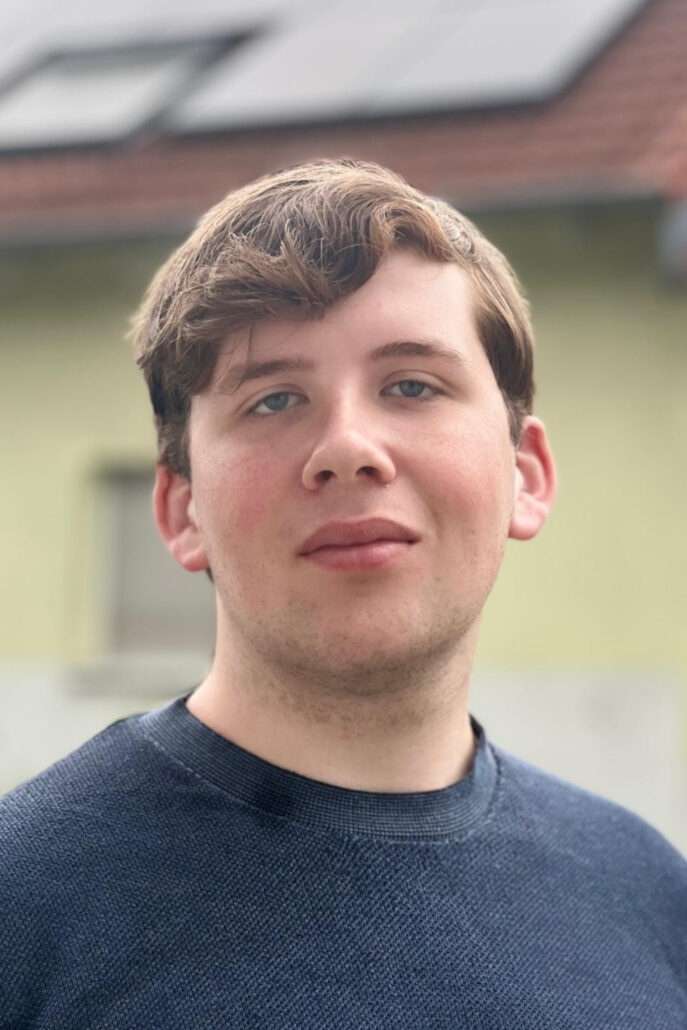
Victor Bott (18, Germany)
Learn more
In his free time, Victor draws and plays Dungeons & Dragons. Movies help him take his mind off his thoughts and worries; they also show him different perspectives and role models. He keeps up with the latest movies by watching YouTube reviews and critiques. What he loves most about going to the movies is the shared experience – which is why he’s all the more excited to meet fellow movie enthusiasts his own age during the festival week.
ECFA-Jury
The jury of the European Children’s Film Association (ECFA) consists of European experts from the children’s and youth film industry. This year, Elisabeth Wenk (Jury Competition »Kids«), together with Simone Fratini and Jaroslava Hynštová (both Jury Competition »Teens«), will honor their favorite European children’s film with the ECFA Award. The award qualifies the films for the annual competition for the “Best European Children’s Film of the Year” prize, which is presented during the Berlin International Film Festival.
Elisabeth Wenk (Germany)
Festival Director and Cultural Scientist
Learn more
Elisabeth Wenk is the executive director of the Deutsche Kindermedienstiftung Goldener Spatz, where she has worked since 2019, and the director of the festival of the same name. She studied in Jena and Leipzig. As a passionate film lover, she advocates for high-quality audiovisual media for young audiences. Her focus is on providing children and young people with diverse and relevant access to media.
Simone Fratini (Italy)
Film Educator
Learn more
After studying education and film studies in Bologna, Simone Fratini initially served as a member of the artistic team at the Biografilm Festival. Since 2011, he has worked in the field of film education at the Cineteca di Bologna, where he develops new projects, conducts professional development workshops for teachers, and oversees European projects. Since 2021, he has been a film instructor for schools recognized by the Italian Ministry of Culture.
Jaroslava Hynštová (Czech Republic)
Programme Curator and Festival Organizer
Learn more
Jaroslava Hynštová has been working as a film programmer at the Zlín Film Festival since 2005. She studied film studies and English at Palacký University in Olomouc. In her hometown of Luhačovice, she is a screenwriter and the director of an amateur theater group. Jaroslava has also served as a regional correspondent for the largest Czech newspaper and as a jury member at film festivals around the world.
Cinema Without Borders
Cinema Without Borders is an international network of film industry professionals committed to promoting diversity, inclusion, and social justice in film. Every year, Cinema Without Borders presents the Bridging the Borders Award at selected film festivals. The award recognizes films that bring people together across geographical, religious, ethnic, cultural, and economic boundaries and address issues of social justice.

Susan Morgan Cooper
Learn more
Susan Morgan Cooper is a director, producer, and writer who has been working in the film industry for more than three decades. Her focus is on documentary films, in which she combines personal stories with socially relevant themes. Among her best-known works is TO THE MOON AND BACK (2016). In addition, she has directed narrative short and feature-length films, and her work combines documentary storytelling with a keen intuition for her protagonists.
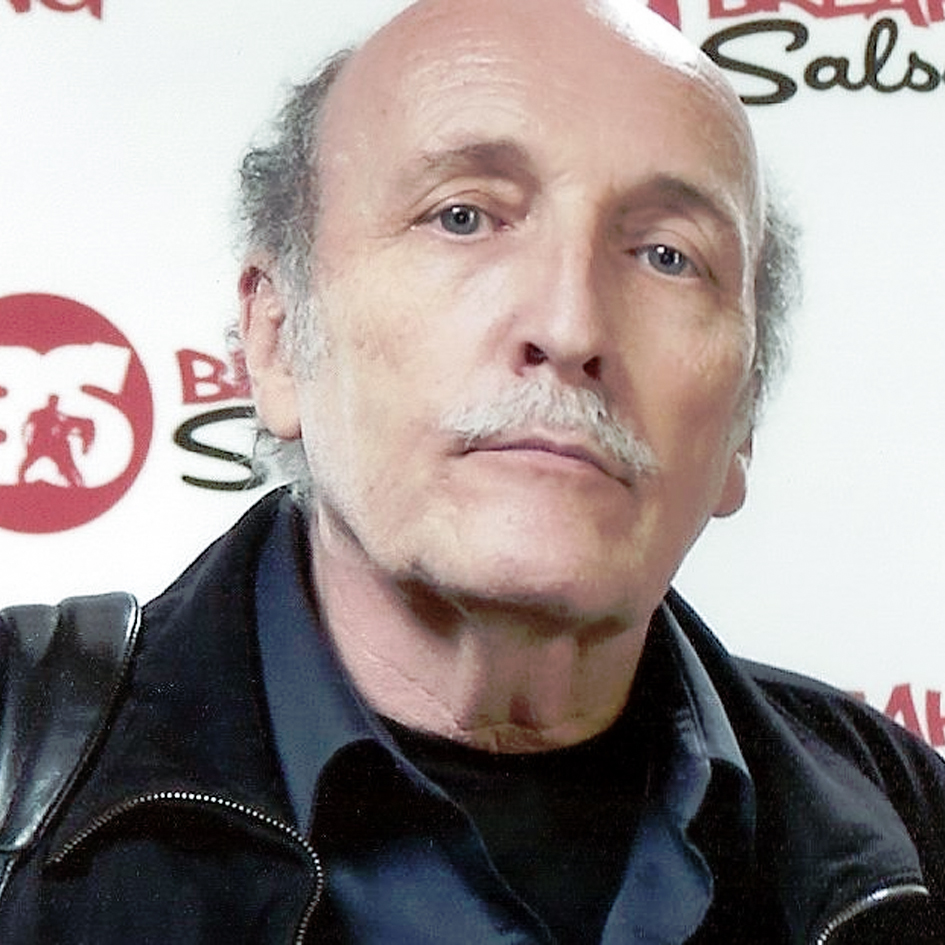
Chale Nafus
Learn more
Chale Nafus was born in Dallas and attended public schools. He spent summers in the 1950s at his sister’s ranch in Comanche County and learned Spanish from his classmates and dreamed of leaving Dallas. After studying at the University of Texas at Arlington, the Universidad Autónoma de México, and UT Austin, he began a long teaching career at various colleges. After retiring in 1998, he spent four years traveling and writing before joining the Austin Film Society as program director. Now fully retired, he serves on the boards of the Austin Film Society and OUTsider Fest, as well as on the advisory committees of IndieMeme and Cine Las Americas.
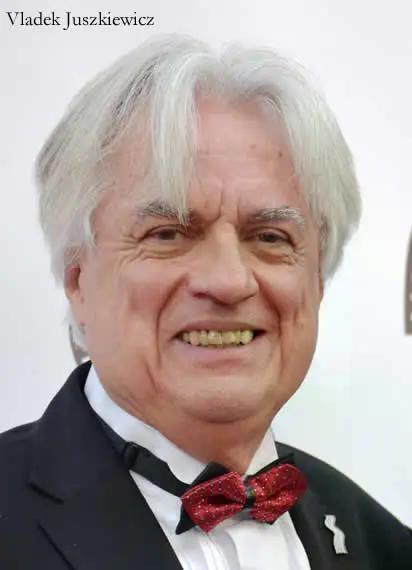
Vladek Juszkiewicz
Learn more
Vladek Juszkiewicz was born in Glogów, Poland, and studied engineering at the Szczecin University of Technology. After working as a manager for the Polish singer Maryla Rodowicz, he moved to the United States, where he collaborated on eleven films with Paul Leder. In 1999, he founded the Polish Film Festival Los Angeles, serving as its director until 2019. Today, he serves as the festival’s program director. For his dedication to promoting Polish culture, he was awarded, among other honors, the Knight’s Cross and the Officer’s Cross, as well as the Gloria Artis.

Nellie Tehrani-Ryce
Learn more
Nellie Tehrani-Ryce is an editor, festival reporter, and expert in the animation industry, with more than two decades of experience in film and animation. As an associate editor at Cinema Without Borders, she covers international film festivals, conducts interviews with filmmakers, and helps develop the publication’s editorial content. She also serves as program director for International Animation Day in Los Angeles, where she curates programs and supports emerging talent. Previously, she held leadership positions at Paramount Animation, Psyop, Technicolor, and Animation Magazine.
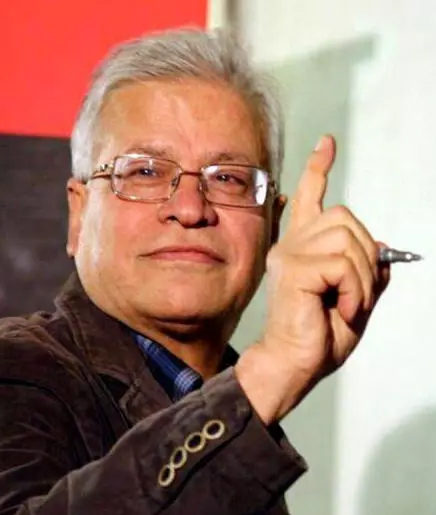
Abbas Yari
Learn more
Abbas Yari is an Iranian journalist and film critic born in Arak. He graduated from the School of Television and Cinema in 1975. Yari began his journalistic career at Sobh e Emrouz, Tehran Mosavvar, and Kayhan before co-founding the film magazine, which he edited until 2021. Yari is currently editor-in-chief of Cinemaye Bedoon Marz, a new Iranian online film platform. He was also involved in founding the Iranian Film Museum in Tehran and the Foundation for Film Critics and Writers on Iranian Cinema, and he organizes cultural events in Arak.

Hamed Soleimanzadeh
Learn more
Hamed Soleimanzadeh is a film critic, filmmaker, and university lecturer specializing in film studies in Germany and Italy. He earned his doctorate in film and philosophy from the Berlin University of the Arts. He has served as a jury member at more than 50 international film festivals and film award ceremonies, including those in Cannes, Berlin, and Karlovy Vary. He has also directed several short films and published books and numerous articles on film, philosophy, theater, culture, and media. He is the director of the Koker International Short Film Festival in Berlin and a member of FIPRESCI.
Film Guests
For its 49th edition, LUCAS welcomes numerous film guests on site at the festival cinemas or in online discussions. All film screenings are hosted by film educators.
The film guests of LUCAS #49 will be announced as they are confirmed.
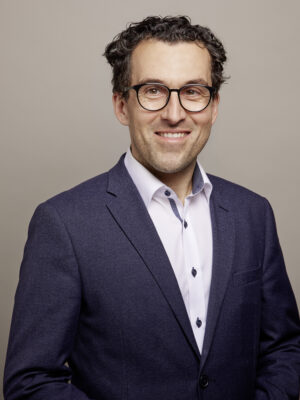
Dr. Vedrin Sahovic (Amnesty International Frankfurt)
Expert for THE SWALLOWS OF KABUL (part of the series »Young European Cinephiles« on the theme of “Justice”)
On site Guest:
8 p.m. | DFF Cinema

Emily Thornton
Actress of READY! BEEP! (Competition »Kids« | Short Film)
On site Guest:
9 a.m. | Cinéma
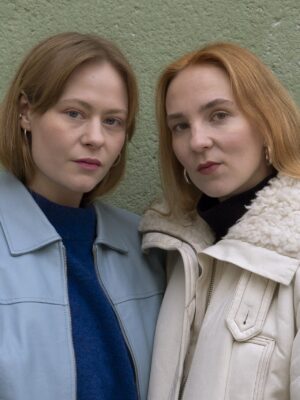
Lia Hietala & Hannah Reinikainen
Directors of ALMOST FOREVER (Competition »Teens« | Feature Film)
Online Guests:
11.15 a.m. | DFF Cinema
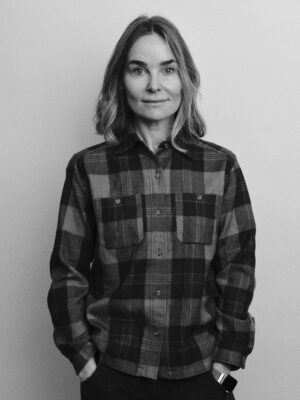
Stine Buhl
Co-Directors of MUMBO JUMBO (Competition »Kids« | Feature Film)
With video message:
11:30 a.m. | Metropolis

Prof. Dr. Felix Manuel Nuss
Professor of Social Work | Expert on the film SYSTEM CRASHER (»Young European Cinephiles«)
On site Guest:
5.15 p.m. | DFF Cinema
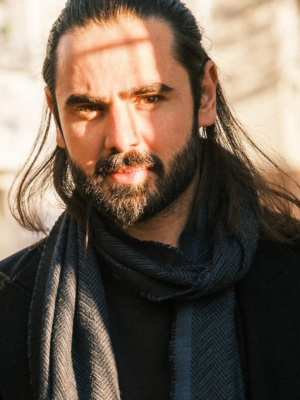
Semih Korhan Güner
Director of MY SISTER’S SANDAL (Competition »Kids« | Short Film)
On site Guest:
10 a.m. | DFF Cinema
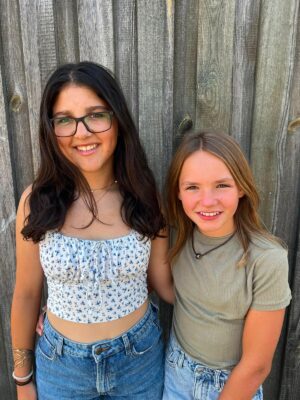
Zahara Laukemann & Chyara Rüger
Main actresses of MY SISTER’S SANDAL (Competition »Kids« | Short Film)
With video message:
10 a.m. | DFF Cinema
Stine Buhl
Co-Directors of MUMBO JUMBO (Competition »Kids« | Feature Film)
With video message:
2:30 p.m. | CaliGari Filmbühne

Bérangère McNeese
Director of THE GIRLS FROM ABOVE (Competition »Youngsters«)
On site Guest:
8 p.m. | DFF Cinema
Stine Buhl
Co-Directors of MUMBO JUMBO (Competition »Kids« | Feature Film)
With video message:
10 a.m. | DFF Cinema
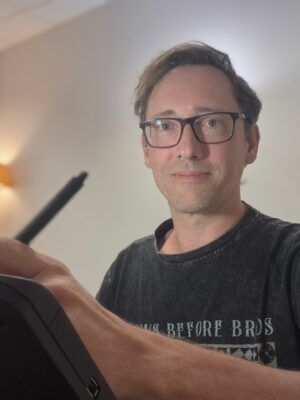
Fabian Erlinghäuser
Head of Animation at Cartoon Saloon for JULIÁN (Competition »Kids« | Feature Film)
On site Guest:
1.30 p.m. | DFF Cinema
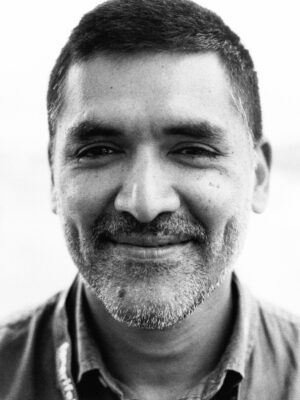
Gabriel Osorio Vargas
Director of BRAVE CAT (Competition »Kids« | Feature Film)
Video Message:
15:45 a.m. | DFF Cinema
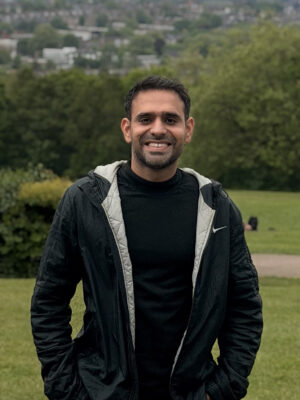
Abhay Punjabi
Director of TO FETCH A PAIL OF WATER (Competition »Kids« | Feature Film)
On site Guest:
8.45 a.m. | DFF Cinema
11.15 a.m. | Kino im Hafen 2
5.30 p.m. | DFF Cinema

Katie Aselton
Director of THEIR TOWN (Competition »Teens« | Feature Film)
With Video Message:
10:30 a.m. | Cinéma
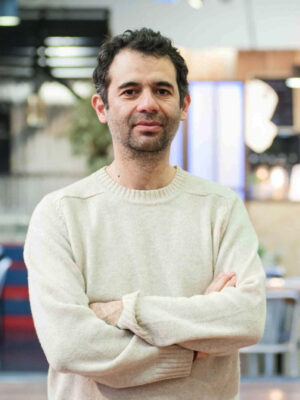
Nicolás Rincón Gille
Director of ILUMINADA (Competition »Youngsters«)
Online Guest:
8 p.m. | DFF Cinema
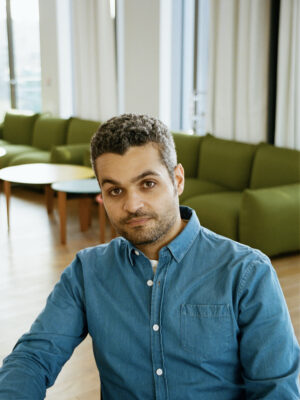
Mohamed Al-Daradji
Director of MY LIFE IN VERSAILLES (Competition »Kids« | Feature Film)
Online Guest:
8 a.m. | Cinéma
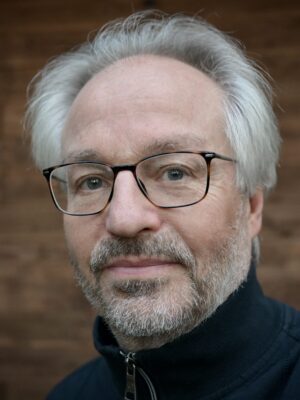
Bernd Sahling
Director and script writer of KOSCHKA (Competition »Kids« | Feature Film)
On site Guest:
8:30 a.m. | Kinopolis
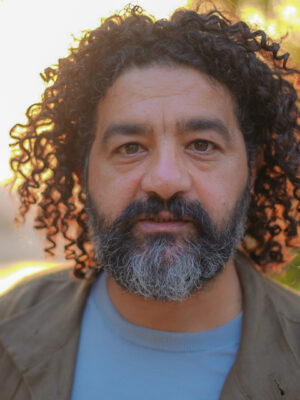
Mohamed Al-Daradji
Producer of HIJRA (Competition »Teens« | Feature Film)
On site Guest:
8:45 a.m. | DFF Cinema
Abhay Punjabi
Director of TO FETCH A PAIL OF WATER (Competition »Kids« | Feature Film)
On site Guest:
9 a.m. | Kinopolis
Katie Aselton
Director of THEIR TOWN (Competition »Teens« | Feature Film)
With Video Message:
10 a.m. | Kinopolis
Gabriel Osorio Vargas
Director of BRAVE CAT (Competition »Kids« | Feature Film)
Video Message and Online Guest:
11:15 a.m. | Cinema Hafen 2
Stine Buhl
Co-Directors of MUMBO JUMBO (Competition »Kids« | Feature Film)
With video message:
2:30 p.m. | DFF Cinema
Bernd Sahling
Director and script writer of KOSCHKA (Competition »Kids« | Feature Film)
On site Guest:
9:00 a.m. | Hafen 2
Semih Korhan Güner
Director of MY SISTER’S SANDAL (Competition »Kids« | Short Film)
On site Guest:
11 a.m. | Cinéma
Stine Buhl
Co-Directors of MUMBO JUMBO (Competition »Kids« | Feature Film)
With video message:
11 a.m. | Kinopolis
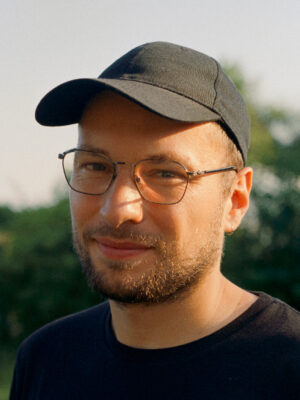
Benjamin Hujawa
Director of TROPHY (Competition »Teens« | Short Film)
Online Guest:
11.30 a.m. | Cinéma

Michael Schmidt
Permanent Representative of the Supreme State Youth Authorities to the FSK
Online guest on the panel
3:30 p.m. | DFF Cinema
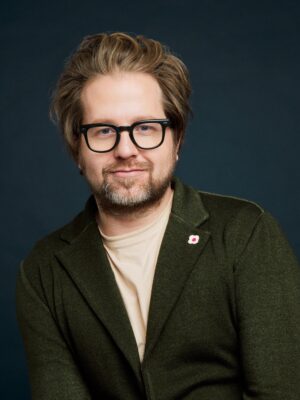
Torfinn Iversen
Director of THE CORKSCREW (Competition »Kids« | Short Film)
Online guest on the panel
3:30 p.m. | DFF Cinema

Julia Andersen
Script writer of THE CORKSCREW (Competition »Kids« | Short Film)
Online guest on the panel
3:30 p.m. | DFF Cinema

Semih Korhan Güner
Director of MY SISTER’S SANDAL (Competition »Kids« | Short Film)
Guest on the panel
3:30 p.m. | DFF Cinema

NB Mager
Director of RUN AMOK (Competition »Teens« | Feature Film)
Online Guest:
8 p.m. | DFF Cinema
Greetings

Julia Fleißig,
Festival Director
OFF TO THE CINEMA!
We did it! Getting LUCAS #49 off the ground was a particular challenge. So far, we have succeeded – we have put together a high-calibre, truly international competition featuring numerous German premieres. Now we want the festival programme to reach as many young people as possible, which is why LUCAS will be visiting six cinemas in four cities for the first time this year – and we are thrilled to also be bringing the festival to KINOPOLIS Bad Homburg.
In these times of dwindling financial resources, we have set a delicate motif against the effort of bringing this edition to life: soap bubbles. With their shimmering colours, they stand for the beauty of the moment, for light-heartedness, joy, play and the magic of childhood. But they are also an image of the fleeting nature of things, of shattered dreams and transience. The »Young European Cinephiles«, or YECs for short, have taken on a similarly fragile and delicate concept: justice. It is a virtue that is always oriented towards social coexistence. It means the equal distribution of shares and must constantly be renegotiated, reaffirmed and put into practice. The YECs exchanged ideas and perspectives on the topic and curated their own film series. Among other films, they are presenting the opening film THE SWALLOWS OF KABUL.
I would like to extend my heartfelt thanks to all our funders – both long-standing and new – and to everyone who is connected to us in friendship or partnership and helps keep film culture for young audiences alive, not least the fantastic LUCAS team.
The festival week is packed with highlights both in and outside the competitions. I wish you all wonderful cinematic experiences!
»And … Action!«
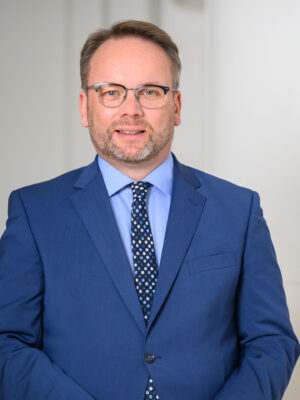
3 Questions for …
Timon Gremmels,
Hessian Minister for Science and Research, Art and Culture
You recently emphasised that wherever people experience culture, community is created. What gives culture this power to bring people together?
Culture brings people together because it creates shared experiences, sparks curiosity and invites dialogue. When people watch a film, attend a concert or visit an exhibition together, they start talking – including about different perspectives and realities of life. These encounters strengthen social cohesion and are an important foundation for a vibrant democracy.
How does LUCAS succeed in bringing young people together and encouraging dialogue?
Shared film experiences provide an opportunity for young people to exchange ideas, for example about stories, characters and topics that matter to them. That is exactly what LUCAS offers: the festival brings young film fans together, opens up perspectives on different realities of life and invites them to broaden their view of film and the world. This year, LUCAS is also stopping in Bad Homburg, giving even more children, teenagers and young adults the opportunity to experience the festival.
LUCAS will celebrate its 50th edition next year. What do you wish for the festival’s future?
I hope LUCAS will continue to be a place that enables discovery, opens up spaces for reflection and inspires young people to engage with film. The fact that LUCAS will celebrate its 50th edition next year shows the lasting impact that cultural engagement can have. For the decades ahead, I wish the festival the courage to continue exploring new paths and to offer its audiences extraordinary cinematic experiences.
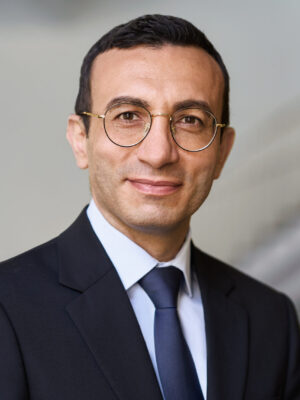
3 Questions for …
Mike Josef,
Lord Mayor of the City of Frankfurt am Main and Patron of LUCAS
Why is an international festival like LUCAS such a good fit for Frankfurt?
Frankfurt is an international, open-minded city in the heart of Europe. People from around 180 nations live here together – we see this diversity as a strength. The LUCAS Film Festival showcases international cinema in all its diversity. It meets young people where they are in their everyday lives, while also opening their eyes to the realities of their peers from all over the world. These shifts in perspective are a reminder to all of us to preserve the openness and curiosity with which children and young people so often approach the world in our everyday lives.
What do you hope young people who attend LUCAS will take away from the festival?
Above all, watching films should be fun. Sometimes, it also encourages us to reflect on ourselves and the world around us. I also hope that young festival audiences feel seen, heard and taken seriously. Active participation is one of the fundamental principles of our democracy. It is never too early to learn this. At LUCAS, young people can get involved and discover the joy of actively shaping our society. Opportunities like these are essential to an open and vibrant city where everyone feels welcome.
Which programme highlight would you particularly recommend to families?
For me, the annual festival Sunday is a particular highlight, when families can enjoy free admission to the DFF Cinema and its exhibitions. It is a wonderful opportunity for a trip to the film museum. Discovering festival films together on the big screen, learning about different film professions through hands-on activities and then exploring the exhibitions at the DFF – this combination is what makes festival Sunday a special experience for everyone.

3 Questions for …
Christine Kopf, Artistic Director of the DFF – Deutsches Filminstitut & Filmmuseum
What makes LUCAS an important part of the DFF?
One of the DFF’s central aims is to inspire people of all ages to engage with the art of cinema. LUCAS makes an important contribution to this by meeting its young audiences on an equal footing and creating opportunities for them to discover the medium for themselves. There is a productive exchange between the festival and the DFF’s film education and exhibition departments, which enriches both sides. Examples of how the programme benefits from this collaboration include the »Minis« programme, »Focus.Film.Class« and »LUCAS for Families«.
Which film for young audiences has particularly impressed you in recent years – and why?
I am repeatedly impressed by the films that young audiences themselves find interesting, beyond the confines of a marketing target group. Suddenly, they may choose older films, films in black and white or even films without dialogue. Involving young audiences in curation, as LUCAS does, helps older generations question their own assumptions. Examples from the festival programmes of recent years include Charles Lane’s SIDEWALK STORIES (US 1989), François Truffaut’s LES QUATRE CENTS COUPS (FR 1959) and LA HAINE (FR 1985) by Mathieu Kassovitz.
With its 49th edition, LUCAS is concluding its first half-century. What should the festival preserve at all costs?
I hope LUCAS retains its openness to diverse aesthetics and perspectives. I hope the festival team will continue to ask itself very carefully what films a young generation needs right now. What can strengthen them in a society drifting further to the right, in a democracy that is increasingly under threat? And please preserve the energy, enthusiasm and resilience it takes to put on a SUPER festival every year under difficult financial circumstances.